What Makes Apple Design So Iconic and Effective?
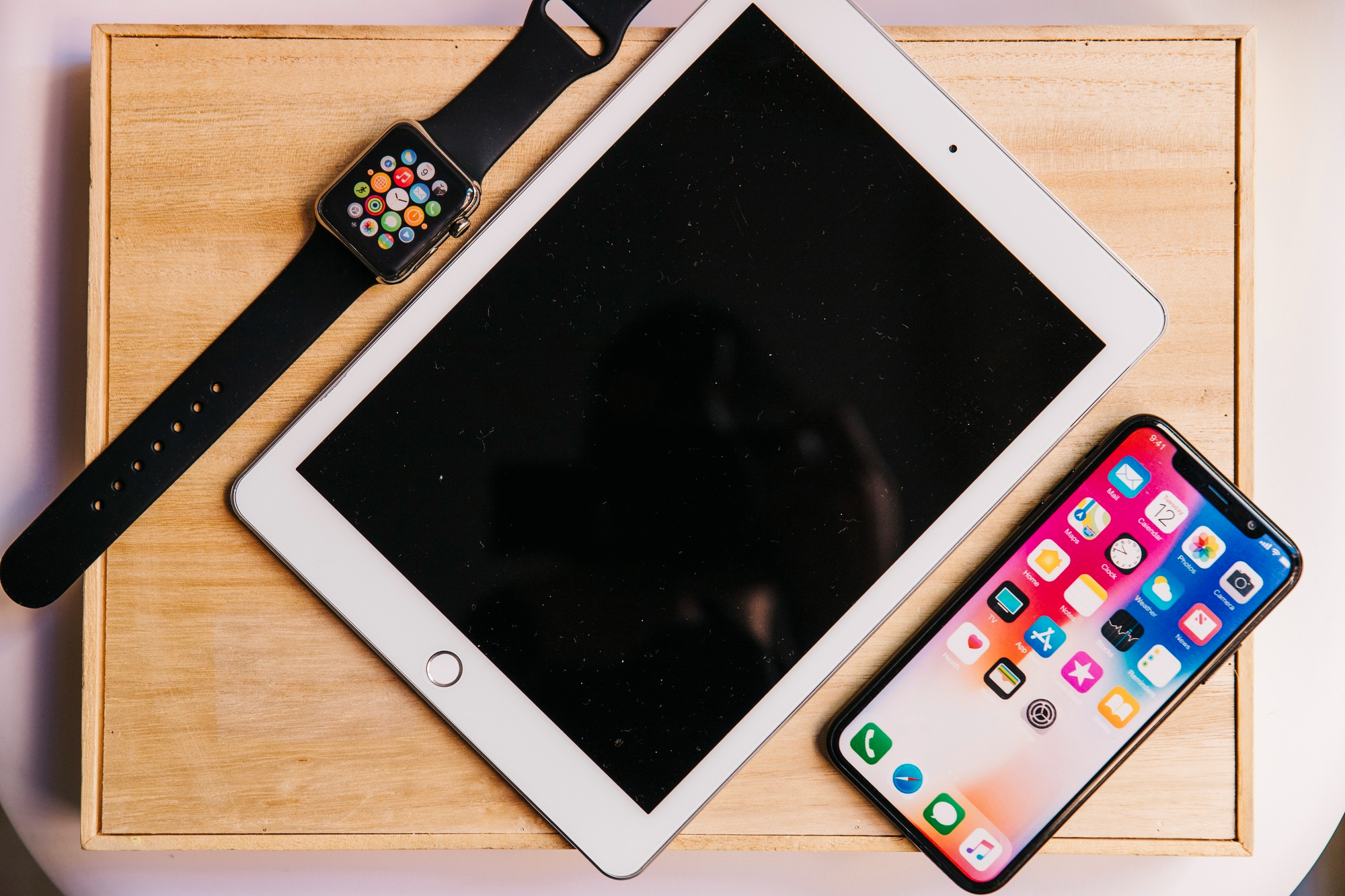
What comes to mind when you hear the term Apple design? You might picture sleek laptops or elegant smartphones. However, the true essence of Apple design goes far beyond surface-level beauty. It is a comprehensive philosophy that merges deep user psychology with rigorous engineering. A 2025 report by Forrester Research found that brands leading in user experience design achieve a 1.6x higher customer satisfaction rate and 2.3x higher cross-selling success. This powerful combination creates an emotional connection with users. It also builds fierce brand loyalty and drives incredible business success. In this analysis, we will deconstruct the core principles that make this approach so effective. As the digital landscape continues to evolve, understanding these principles is crucial for any business creating digital products. Get the Technical Edge. Visit vCloud Tech.
The Core Tenets of the Apple Design Philosophy
The power of Apple design does not come from a single feature. Instead, it results from a consistent application of foundational principles. These principles guide every decision, from hardware curves to software animations.
1. A Relentless Focus on the User Experience
At its heart, Design Framework is user-centric. Every choice is measured against a simple question: Does this improve the user's life? The goal is to create products that feel intuitive and effortless. This deep commitment to the user experience reduces frustration and learning curves. Don Norman, a founding figure of UX design and former Apple Fellow, famously stated that the real problem is that "complexity is essential." Apple's genius lies in making the complex feel simple. Consequently, it makes technology accessible to a broader audience. This brings us to the next point: how this focus is executed.
2. The Power of a Minimalist Style
Apple’s minimalist style is its most recognizable trait. This philosophy of "less but better" eliminates the non-essential. It applies to both physical product aesthetics and digital interfaces. A study by the Nielsen Norman Group confirmed that users prefer simple, familiar designs, which can increase task completion speed by over 30%. Unnecessary buttons, confusing options, and visual clutter are removed. What remains is a clear, focused path for the user. This minimalism is not a lack of something. It is the achievement of perfect balance and clarity.
3. Deep Integration of Hardware and Software
Apple uniquely controls both its hardware and its operating systems. This vertical integration is a massive strategic advantage. It allows designers and engineers to work in perfect harmony. A software animation can be tailored to the exact capabilities of the hardware. This creates a seamless and fluid interaction that feels innate. Jony Ive, Apple's former Chief Design Officer, often spoke of this "deep collaboration" as the key to creating products where "the whole product is greater than the sum of its parts." The user experience is cohesive, predictable, and high-quality across all devices.
4. Rigorous Attention to Detail and Craftsmanship
Apple’s obsession with details is legendary. Consider the satisfying weight of a MacBook or the precise haptic feedback of an iPhone. These are not accidents. They are the result of countless iterations and refinements. In Walter Isaacson's biography of Steve Jobs, he detailed how Jobs obsessed over the unseen inside of products, insisting that even the circuit boards look beautiful. This meticulous industrial design communicates quality and care. It tells the user that every aspect of the product has been thoughtfully considered.
From Philosophy to Practice: UI/UX in Action
How do these principles manifest in the products we use every day? Let's examine the key areas.
Cohesive Visual Identity and Brand Recognition
Apple visual identity is incredibly strong and consistent. From the specific shade of white in its stores to the typography on its website, every element is curated. This consistency builds immediate recognition and trust. According to Interbrand's 2023 rankings, Apple is the world's most valuable brand for the 11th consecutive year, valued at $502 billion. Users know what to expect from an Apple product, even before they use it. The product aesthetics are a silent ambassador for the brand.
Intuitive Navigation and Interaction Design
Apple’s UI/UX prioritizes intuitive navigation. Gestures like swiping and pinching feel natural. The layout of apps and settings follows a logical hierarchy. Users often don't need a manual to operate a new Apple device. The design itself guides them. A prime example is the "Squirtle" icon shape, a design patent Apple actively defends. This unique shape is visually soft yet structurally precise, enhancing recognizability. This reduces support costs and increases user satisfaction.
The Ecosystem: A Strategic Masterpiece
Perhaps Apple's most powerful design feat is its ecosystem. The Design Framework philosophy extends to how devices work together. Your iPhone, Mac, and iPad share information seamlessly. You can start an email on one device and finish it on another. This creates immense convenience and, strategically, a powerful lock-in effect. From a strategic standpoint, the ecosystem makes the whole far more valuable than the sum of its parts.
The Business Impact of Great Design
Investing in a superior Apple design philosophy is not just an artistic choice. It is a sound business strategy with measurable returns.
Building Brand Loyalty and Advocacy
When a product is delightful and easy to use, customers become fans. They develop an emotional attachment to the brand. This loyalty translates into repeat purchases and a willingness to pay premium prices. Furthermore, these satisfied users become brand advocates. Apple's 2023 Investor Update highlighted an installed base of over 2 billion active devices, a testament to this powerful retention. They willingly recommend products to friends and colleagues.
Driving Perceived Value and Premium Pricing
Superior industrial design and a flawless user experience justify higher price points. Consumers perceive Apple products as high-value items. They are not just buying a device; they are buying into an experience. This perception allows Apple to maintain industry-leading profit margins. The company consistently reports gross margins above 40%, significantly higher than most PC and smartphone competitors.
Enhancing Operational Efficiency
A well-designed product often requires less customer support. Intuitive software has fewer user errors. Robust hardware has lower failure rates. This focus on quality reduces long-term operational costs. As leaders focus on operational agility, the efficiency gains from good design are a significant advantage.
Looking Ahead: The Future of Design
As we step into the future, the principles of the Design Framework will become even more critical. As emerging technologies reshape IT priorities like AR, VR, and AI, intuitive design will be the key to adoption. Tim Cook has repeatedly stated that Apple's view is that "AI is fundamental to the future of our products," suggesting their design approach will be central to making these technologies accessible. Based on current market trends, the companies that will lead are those that master the blend of technology and human-centered design.
In the years to come, the line between the physical and digital will blur further. Apple design, with its heritage in both industrial design and UI/UX, is uniquely positioned for this future. The challenge for other businesses is clear. They must learn from this approach and adapt it to their own context.
Conclusion: Lessons for Your Business
The iconic Apple design is a powerful business tool. It is a holistic system built on user-centricity, minimalism, and deep integration. It proves that design is not about decoration. It is about creating products that people love to use.
You may not be building the next iPhone. However, you can apply these principles to your own software, websites, and products. Prioritize the user experience above all else. Embrace a minimalist style to reduce complexity. Pay obsessive attention to the details that matter to your customers.
As enterprises prepare for the next phase of transformation, let Apple design be a benchmark. Use it to inspire your own journey toward creating products that are not only functional but truly iconic. Unlock Your AI Potential Today. Book Your Free Consultation Now


